PARCHMENT
From skin to page
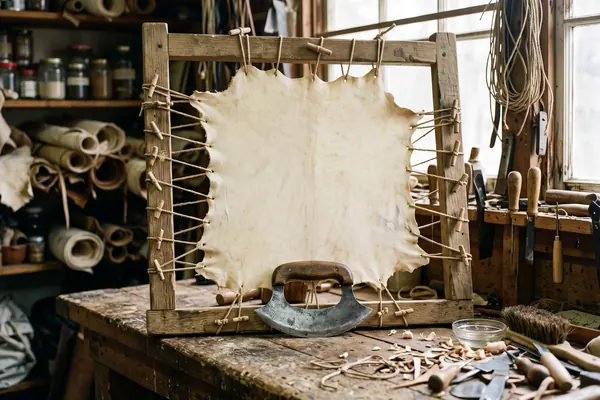
Skins of sheep, goats or calves were soaked in limewater, stretched on a frame and scraped thin with a curved lunar knife, then sanded with pumice.
Read a page doodlebible
BOOK HISTORY, IN PLAIN ENGLISH
A medieval Bible began as an animal skin.
Read a page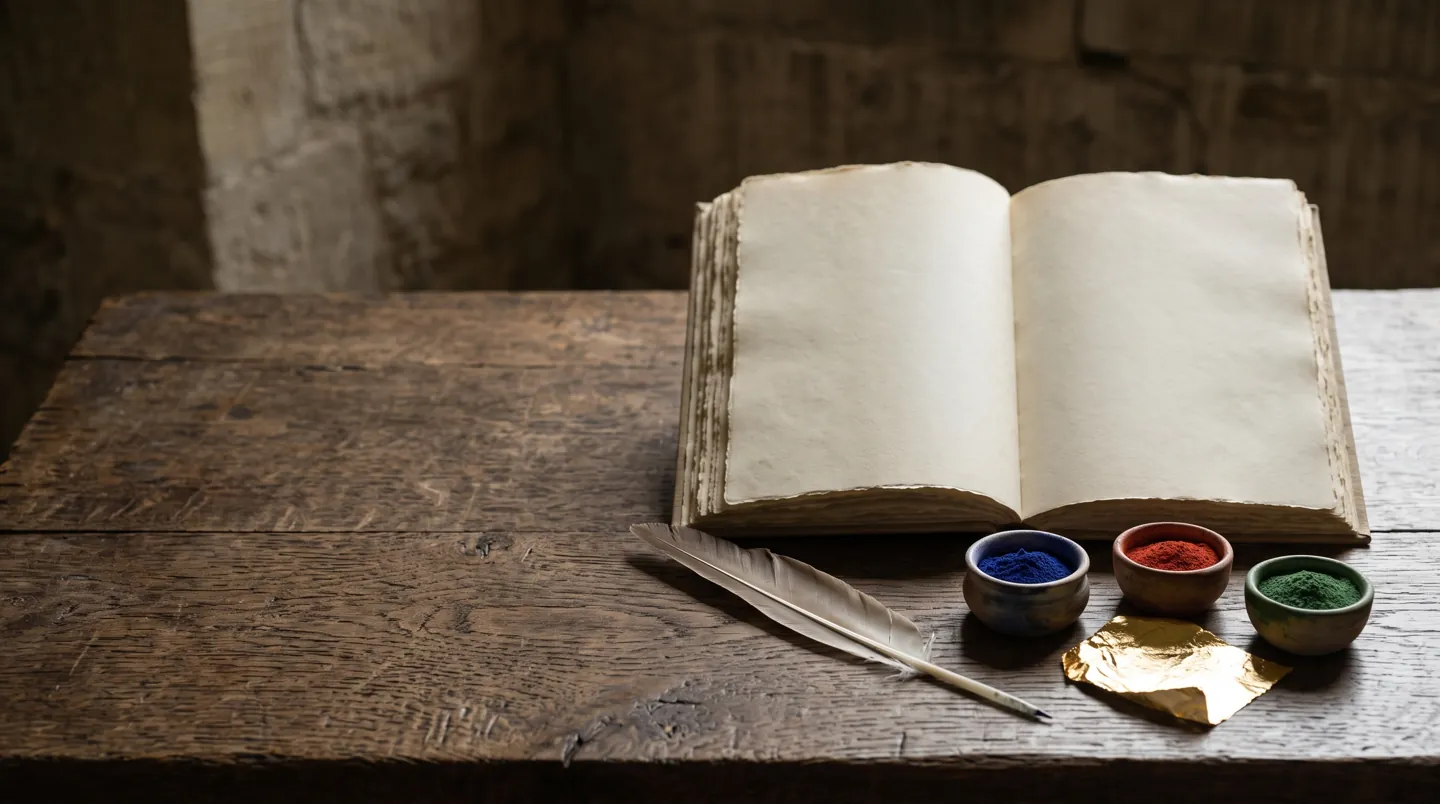
ILLUMINATEDto light up
Before printing, Bibles and other holy books were made in four slow stages: parchment, writing, illumination and binding. Museum curators can still read each stage in the pages that survive.
At a glance
≈ 1450
When paper became common in Europe
Getty says most medieval manuscripts were written on parchment or vellum, and paper did not become common in Europe until around 1450.
PAPER · GETTY
340 folios
Surviving leaves of the Book of Kells
The University of Otago describes 340 surviving folia holding an incomplete Latin text of the Gospels. The book has been at Trinity College Dublin since 1661.
BOOK OF KELLS · OTAGO
TWO NUMBERS WORTH KNOWING
One date on when paper took over,
one count from a famous Gospel book.
Getty dates handwritten, hand-decorated manuscripts in Europe and the Mediterranean from about 500 to 1500.
READ A REAL PAGE
Pick a clue you might notice on a medieval manuscript page, in a museum or online. The bar shows roughly how easy it is to spot, going by how curators describe it.
Drawn from Getty Museum descriptions of its manuscripts. How easy a clue is to spot varies from book to book.
THE SHORT ANSWER
Getty's curators split the work into four stages.
Each one left marks you can still see.
PARCHMENT
Skins of sheep, goats or calves were soaked in limewater, stretched on a frame and scraped thin with a curved lunar knife, then sanded with pumice.
Read a pageILLUMINATION
Gold leaf went down on bole or gum and was burnished to shine. Colours came after, often mixed with egg white as tempera.
See the stagesMATERIALS
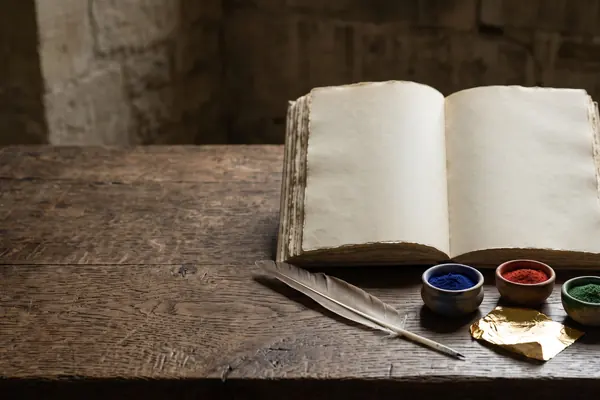
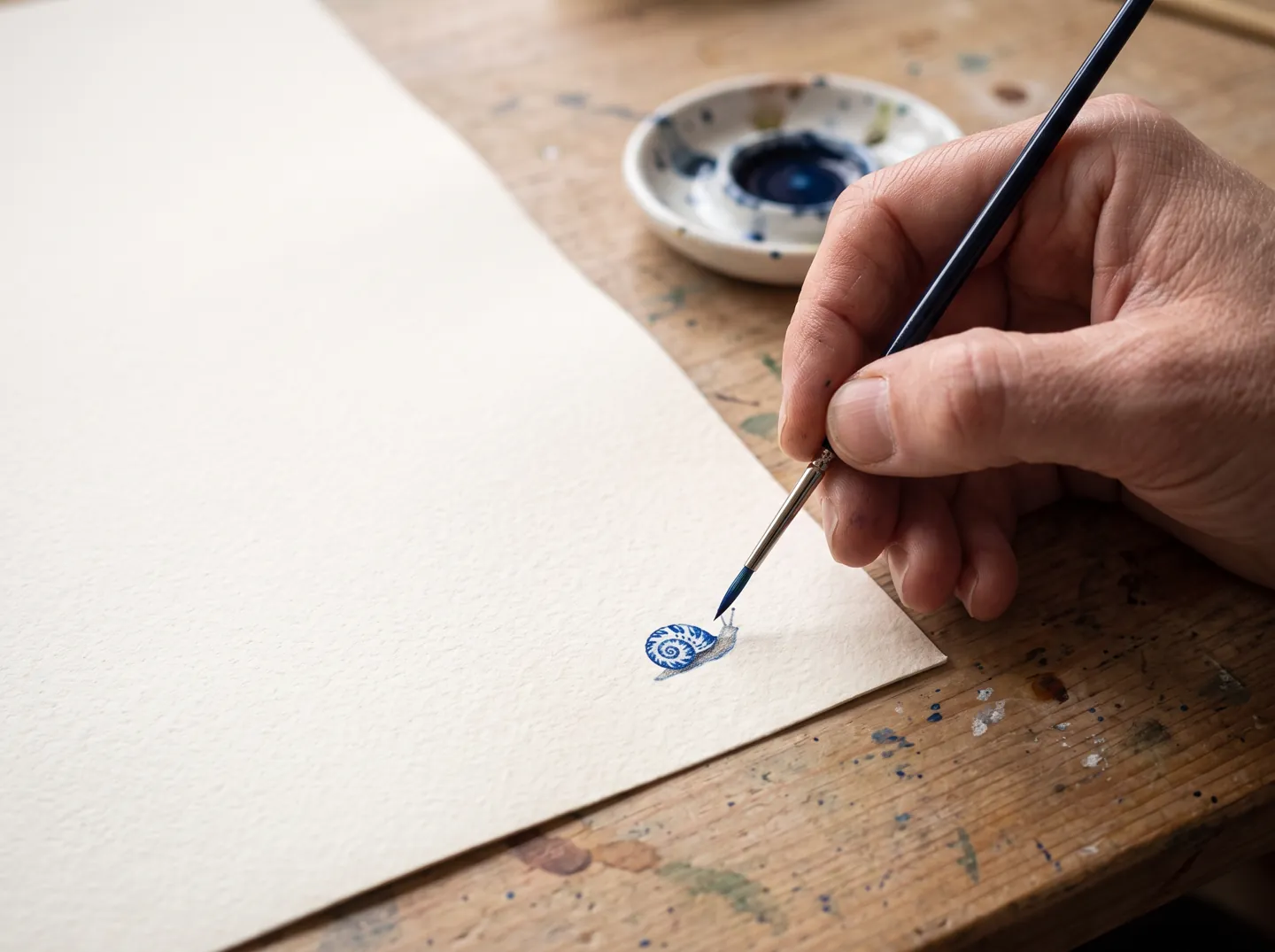
Scribes wrote with goose or swan quills. Paints came from ground minerals, plant dyes and made colours; Getty says the deep blue on one page was probably crushed stone.
See the numbers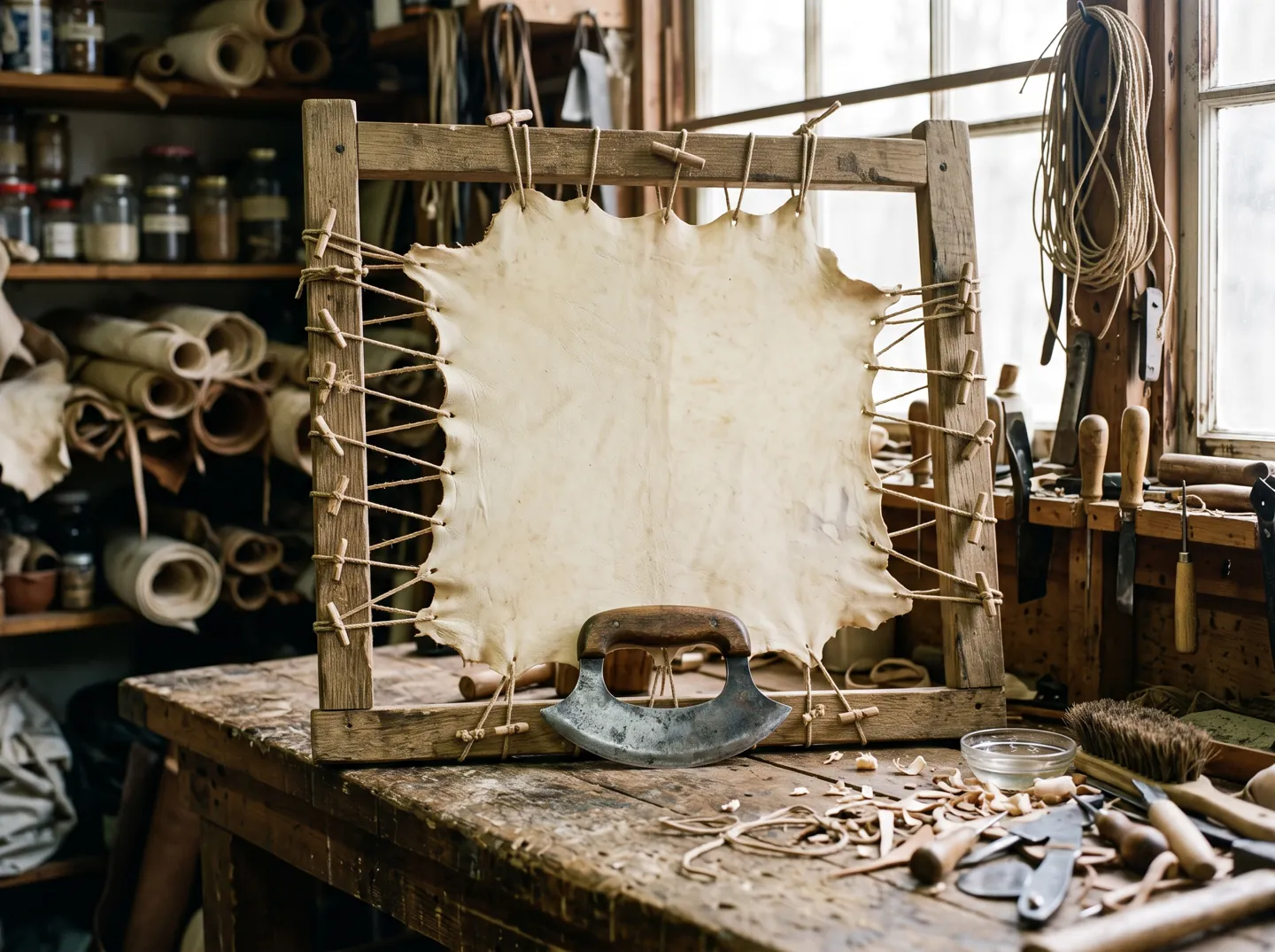
THE FOUR STAGES
Getty's exhibitions on medieval books follow the same four steps. The words usually went on before any painting.
Soak the skin in lime, stretch it wet, scrape with a curved knife and repeat over several days until thin enough.
Rule the lines, then write with a cut goose or swan quill. A knife sharpened the pen and scraped away mistakes.
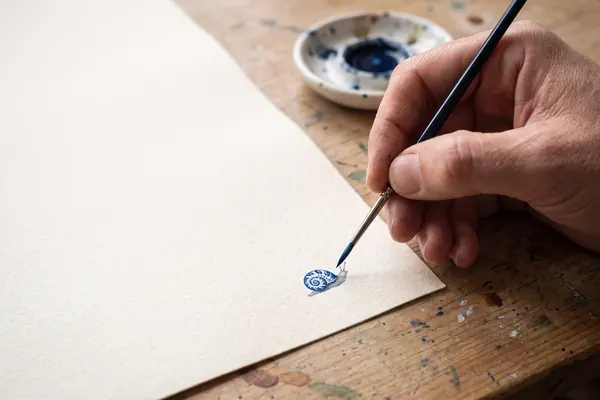
Draw the outline, lay and burnish the gold, then add colours bound with egg white as tempera.
Fold sheets into gatherings, sew them onto cords or thongs, lace these into wooden boards and cover in leather or fabric.
SEE ONE YOURSELF
Some libraries share their manuscripts online. Digital Bodleian, launched in 2015, lets anyone view and download high-resolution images for non-commercial research and teaching.
Getty notes that names of medieval bookmakers are rarely known, though the Flemish binder Lievin Stuvaert signed the inside cover of the Llangattock Hours in the 1450s.
Questions
Both are specially treated animal skins. Getty uses the two words together for the skins most medieval manuscripts were written on, made mainly from sheep, goats or calves.
From the Latin illuminare, to light up. Getty says it describes the glow of the colours, especially gold and silver, used to decorate the pages.
Ground minerals, dyes from plants and chemically made colourants, according to Getty, usually mixed with egg white to make tempera.
Usually the text came first. Getty says the illuminator then sketched the design, laid the gold and added colours in layers.
Sheets were folded into gatherings, sewn onto cords or leather thongs and laced into wooden boards. Metal clasps on luxury bindings helped keep the parchment flat.
Sources
ABOUT THIS NAME
doodlebible.com is part of the DoodleSale portfolio. It isn't in an auction right now, but you can ask about leasing it.